


Importing an automated forklift or warehouse robot from China involves more than the supplier's equipment price and ocean freight. U.S. buyers may need to account for customs classification, applicable duties, trade remedies, merchandise processing charges, port and terminal fees, customs brokerage and other import-related costs.
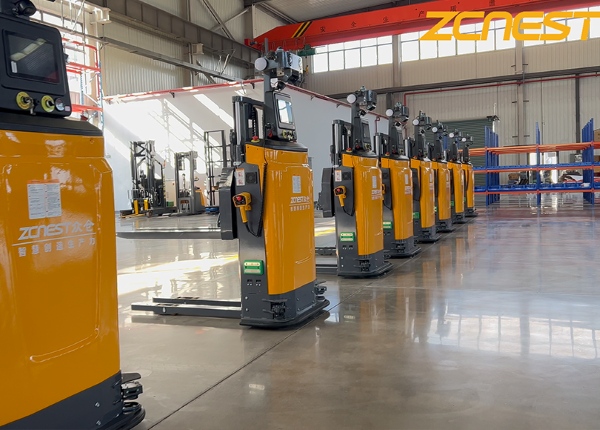
The final landed cost depends on the exact vehicle configuration, tariff classification, country of origin, customs value, shipment terms and the destination port. For this reason, buyers should establish the expected landed cost before approving an AGV purchase order.
There is no single universal customs rate for every Chinese AGV or automated forklift. The applicable U.S. import treatment depends on the correct HTS classification and the specific equipment configuration. Buyers should also check whether additional trade measures apply to the product and Chinese country of origin. A customs broker can help determine the applicable classification and estimate the complete import cost before shipment.
U.S. Customs and Border Protection uses the Harmonized Tariff Schedule to classify imported merchandise. An automated forklift may contain sophisticated navigation, sensors, computers and fleet-control software, but customs classification is based on the characteristics and applicable tariff rules for the imported merchandise.
This means that simply describing a product as a “robot,” “AGV,” “AMR” or “autonomous forklift” does not automatically determine the correct tariff classification.
Vehicle type and primary function
Rated load capacity
Maximum lifting height
Vehicle dimensions and weight
Power source and battery configuration
Navigation and control system
Fork or load-handling configuration
Whether the equipment is imported as a complete vehicle or separate components
Commercial invoice and detailed product description
Potentially. A product imported from China may be subject not only to its ordinary tariff treatment but also to additional trade measures depending on the applicable tariff classification and current U.S. trade policy.
These measures can include additional duties or other trade remedies. Anti-dumping and countervailing duties, where applicable, are particularly important because they are product- and classification-specific rather than automatically applying to every Chinese-made industrial robot.
Do Not Budget From a Generic “China Tariff” Percentage
A supplier, freight forwarder or online tariff calculator may provide only a preliminary estimate. Before placing a large AGV order, have the exact product classification and country-of-origin treatment reviewed by a qualified U.S. customs professional.
The equipment purchase price is only one component of the total import cost. A practical landed-cost model should separate the major cost categories so the buyer can identify which costs are fixed and which depend on shipment value or logistics conditions.
Equipment Cost
The agreed purchase price of the AGV fleet and included equipment.
Ocean Freight
Transportation from the Chinese export port to the destination port.
Import Duties
Applicable customs duties and other legally applicable import charges.
Port & Brokerage
Customs brokerage, terminal handling and other destination charges.
Inland Transport
Transportation from the U.S. port to the warehouse or project site.
Site Costs
Unloading, rigging, commissioning and other destination-side costs.
Landed Cost ≈ Equipment Price + Freight + Applicable Duties + Customs/Brokerage Fees + Port Charges + Inland Transportation + Destination Handling
The exact calculation should be prepared using the actual commercial terms and applicable customs treatment for the shipment.
Port costs vary significantly by destination, carrier, terminal, shipment type and how long the cargo remains at the terminal. Buyers should therefore request a destination-charge estimate rather than assuming that ocean freight represents the complete logistics cost.
| Cost Category | What to Verify |
|---|---|
| Customs Brokerage | Broker service charges and filing requirements. |
| Government Charges | Applicable customs processing and other government-imposed charges. |
| Terminal Handling | Destination terminal and cargo handling costs. |
| Storage | Potential storage charges if the shipment is not collected within the permitted period. |
| Exam or Inspection | Potential additional costs if the shipment is selected for examination. |
| Inland Delivery | Trucking or other transportation from the port to the final facility. |
Incomplete or inconsistent shipping documentation can create delays even when the equipment itself is ready for import. The supplier and importer should agree on the required documentation before the AGV leaves the factory.
Commercial invoice
Packing list
Bill of lading or applicable transport document
Detailed product description
Country-of-origin information
Product specifications
Serial numbers or equipment identification where applicable
Battery documentation where required
Applicable conformity or test documentation
Any additional documents requested by the importer, carrier or customs broker
Yes, a customs broker can assist with classification, but advanced navigation technology does not by itself create a unique customs category. The broker needs enough technical information to understand what the imported machine actually is and how it functions.
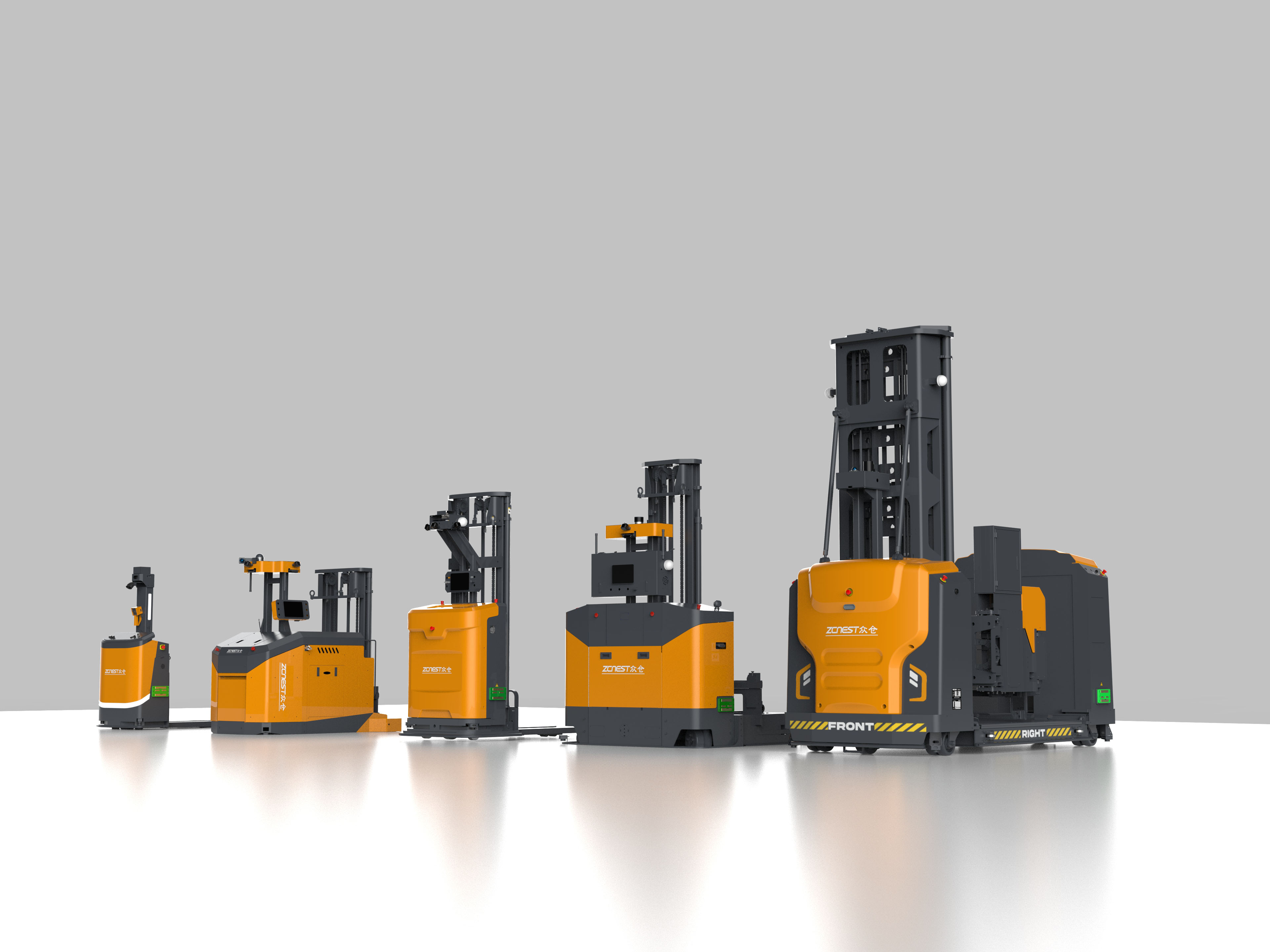
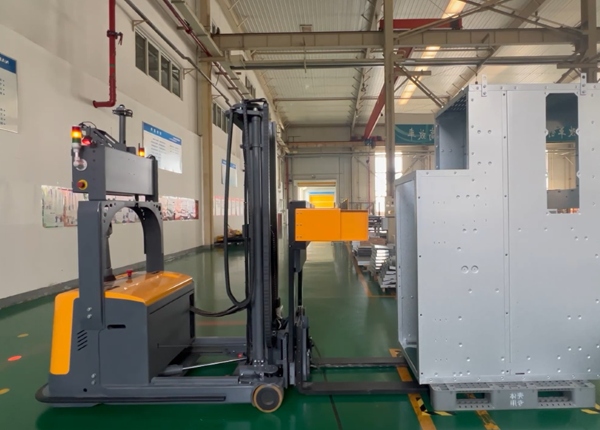
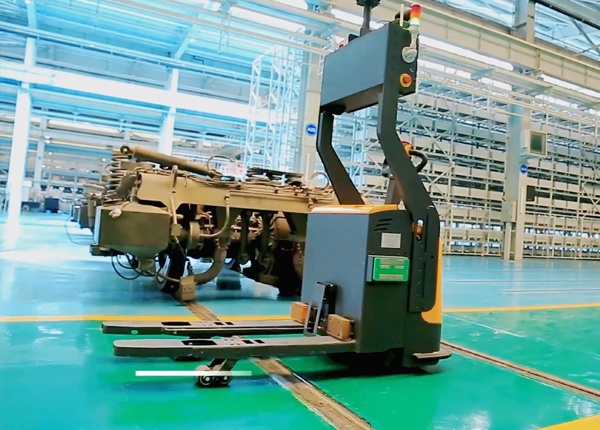
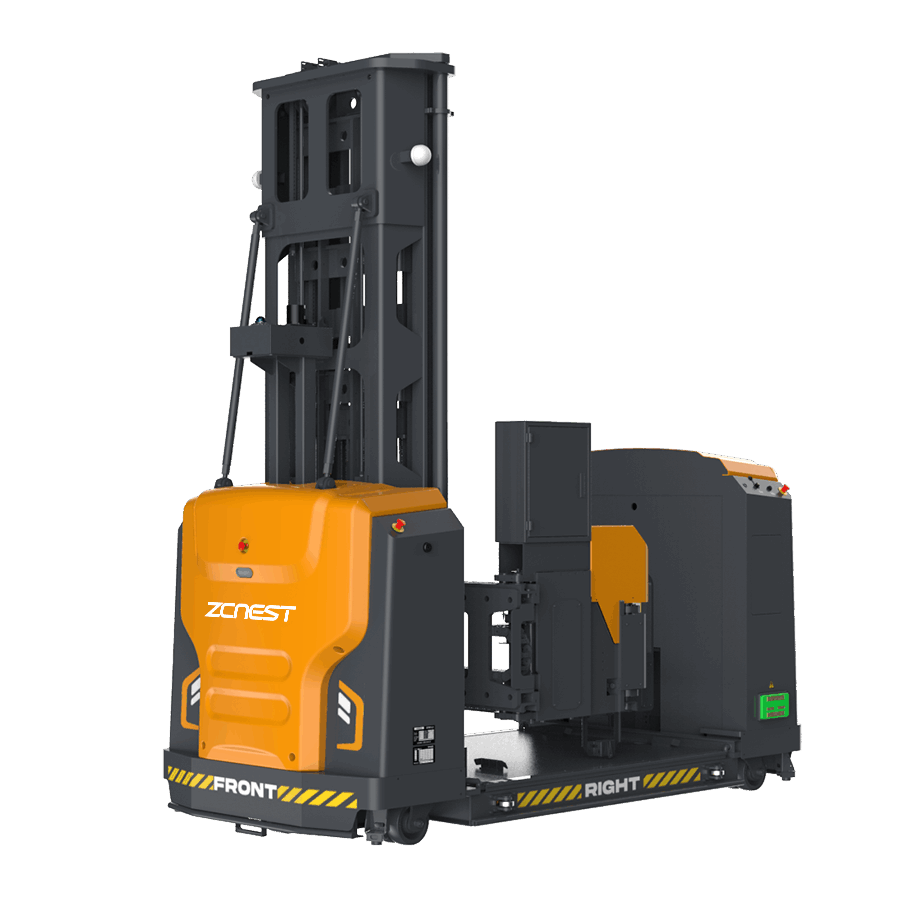
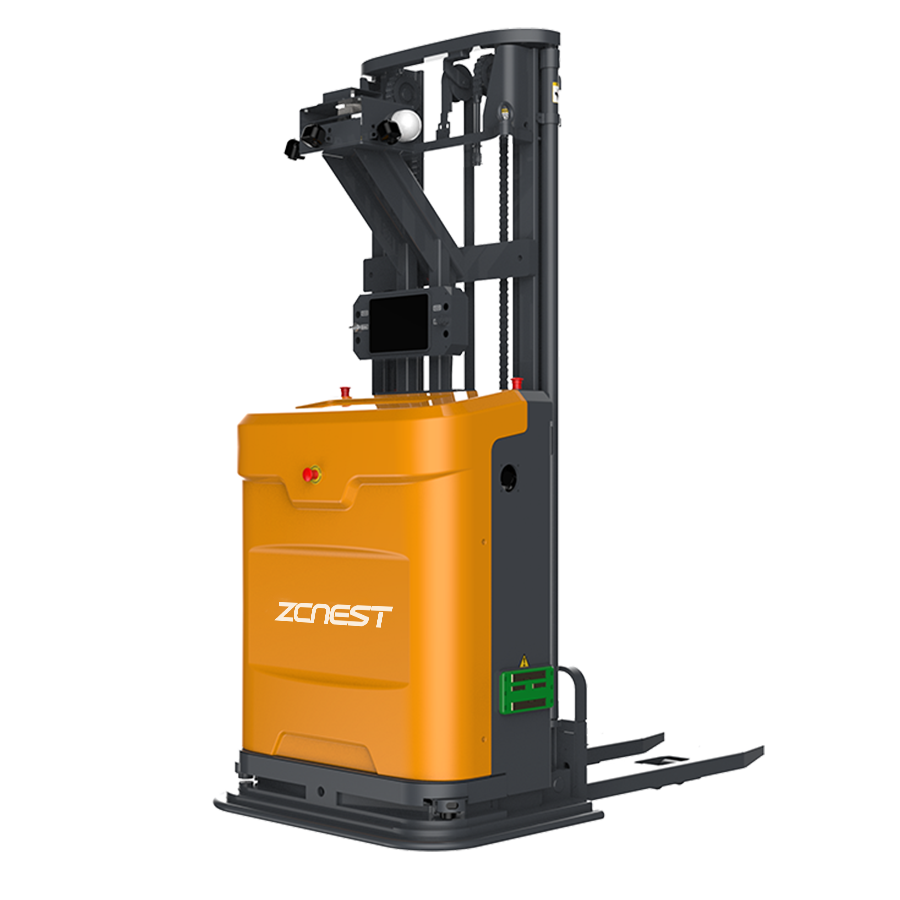
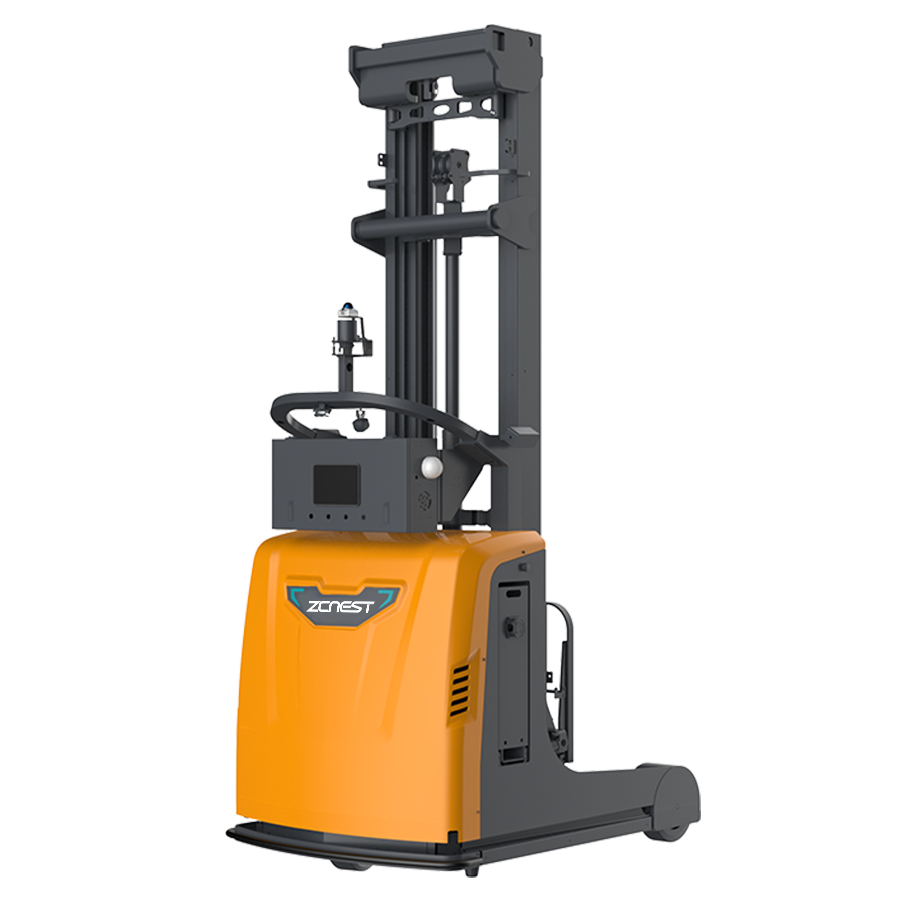
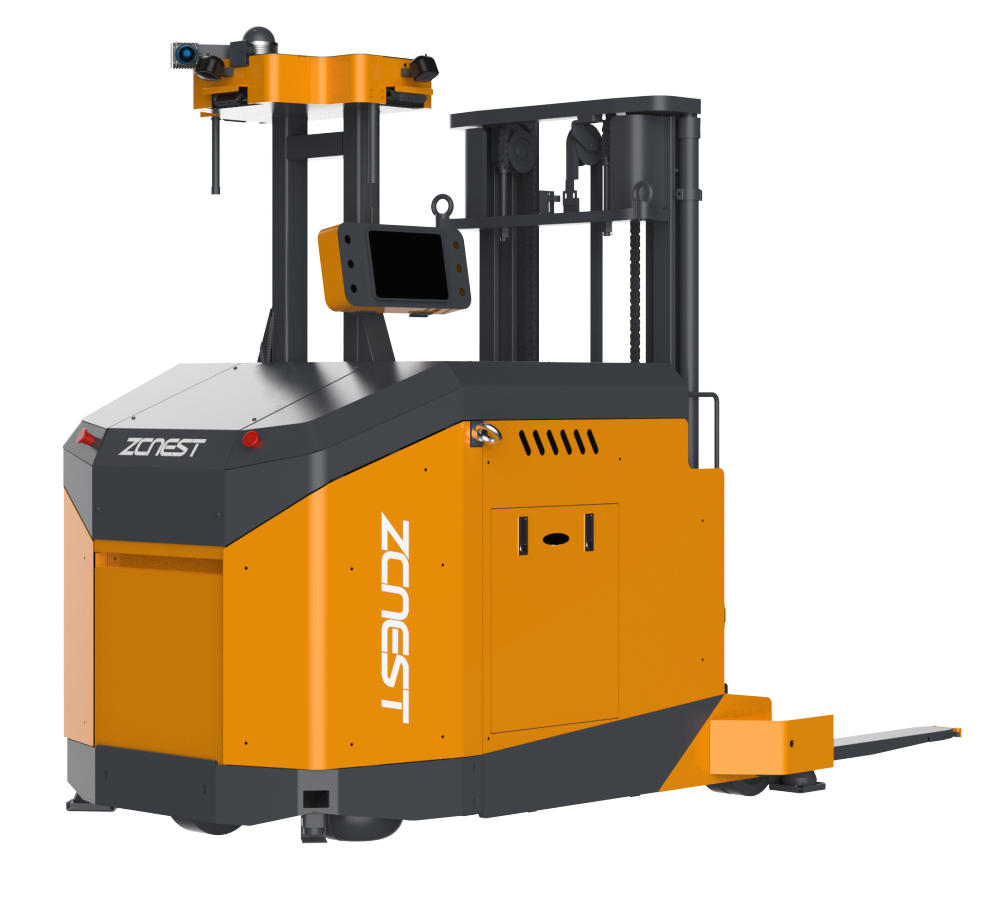
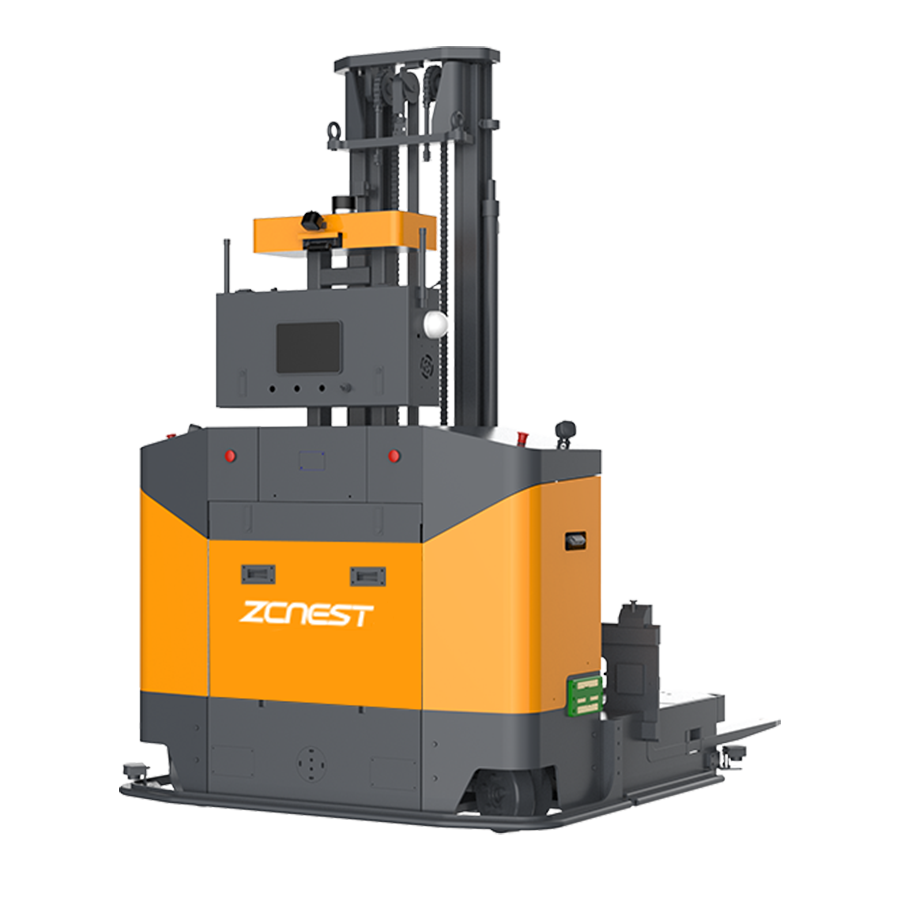
For example, a laser SLAM VNA AMR may combine an electric industrial vehicle, lifting mechanism, autonomous navigation system, sensors, onboard computer and fleet-control software. The importer should provide a clear technical description instead of relying only on the marketing term “warehouse robot.”
Vehicle photographs
Product datasheet
Technical drawings
Rated capacity
Lift height
Vehicle dimensions and weight
Power and battery specifications
Description of the automated driving functions
Description of the vehicle's primary industrial purpose
For a large B2B automation project, confirming the expected tariff treatment before shipment can prevent a significant difference between the supplier's quoted equipment cost and the buyer's final landed cost.
The importer should provide the broker with the final vehicle configuration, commercial invoice information and country-of-origin details. If the classification is uncertain or the financial exposure is significant, the importer may also consider seeking an appropriate advance customs ruling or other formal classification guidance.
Classify the Final Configuration, Not an Early Prototype
Custom options can change the technical description and commercial value of an AGV. If the vehicle configuration changes substantially during engineering, provide the final configuration to the customs professional before export.
A well-prepared import file should make it easy for the U.S. importer and customs broker to understand exactly what is being shipped.
Product Description
Request a precise technical description of the vehicle.
Country of Origin
Confirm where the vehicle and major components are manufactured.
Commercial Value
Make sure invoice values and agreed commercial terms are consistent.
Packing Details
Obtain package quantity, dimensions and gross/net weight.
Battery Documents
Request applicable battery transportation and safety documentation.
Final Drawings
Keep the final equipment specification available for the customs broker.
The best approach is to treat customs preparation as part of the AGV procurement process rather than something handled after the container has already left China.
Identify the likely HTS classification before shipment.
Check applicable additional duties and trade measures.
Give the customs broker the final technical specification.
Verify commercial invoice and packing-list consistency.
Confirm country-of-origin information.
Prepare required battery and transportation documentation.
Confirm destination port handling arrangements.
Budget for potential inspection, storage and other destination charges.
When importing warehouse robots from China, the purchase price is only one part of the investment. Customs classification, applicable duties, brokerage, port handling and inland transportation can all affect the final project budget.
Before shipment, provide your customs broker with the final AGV specification, commercial invoice, packing details and country-of-origin information. This allows the expected landed cost and customs requirements to be reviewed before the equipment leaves China.
FREE ENGINEERING SUPPORT Stop Gambling on Generic Platforms. Get an AGV/AMR Tailored to Your Warehouse.Buying automated guided vehicles involves complex safety standards (CE/ANSI), navigation setups (Laser SLAM), and ERP system integration. Don't risk your factory safety with middle-men. ✓ 100% Direct Factory: Customized payload up to 5 Tons. ✓ Free CAD Simulation: Send us your layout, and our engineers will simulate the optimal AGV routes. ✓ Global Support: Overseas installation guidance & local maintenance partners. |
📖 AGV Forklift Guide — Essential manual for selection and safety.
⚙️ How AGV Systems Work — A deep dive into navigation and logic.
⚖️ AGV vs. AMR Comparison — Choosing the right technology for your facility.
💰 AGV Cost and ROI — Evaluating investment and payback periods.





 Chinese
 English