


AGV Lifecycle Planning Guide
An AGV forklift purchase should include a plan for maintaining the vehicle, diagnosing faults, sourcing replacement parts, and restoring operations after an interruption. For overseas warehouse operators, these requirements can directly affect equipment availability and the practicality of long-term ownership. This guide explains what to evaluate before selecting a supplier.
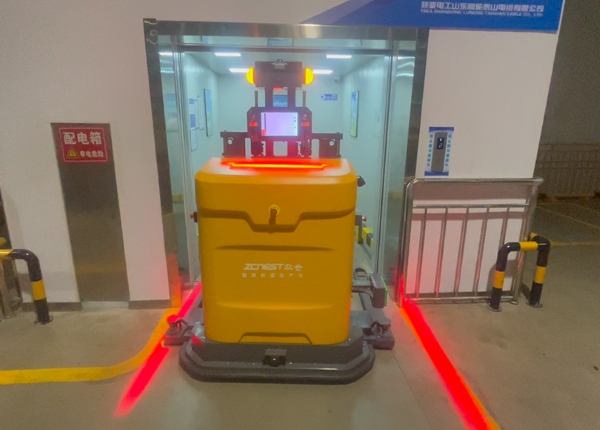
Maintenance requirements extend beyond replacing worn mechanical components. An automated forklift combines vehicle hardware, electrical systems, sensors, navigation software, fleet management, and interfaces with warehouse equipment. A fault in any of these areas may interrupt transport tasks.
Before purchasing, ask the supplier to describe routine inspections, preventive maintenance intervals, recommended spare parts, diagnostic tools, and the division of responsibilities between the customer and service provider.
Mechanical system: Drive wheels, steering components, fork mechanisms, lifting equipment, and related wear parts.
Electrical system: Battery, charger, wiring, connectors, controllers, and electrical protection components.
Sensing and navigation: Sensor condition, mounting integrity, cleanliness, calibration requirements, and diagnostic status.
Software: Fleet control, task execution, alarm records, configuration management, and supported updates.
Warehouse interfaces: Communication links, task status synchronization, and recovery after system interruptions.
ELEMENT 01
Obtain inspection intervals and task lists based on the proposed vehicle configuration and operating conditions. Confirm which checks can be completed by trained warehouse personnel and which require qualified technicians.
ELEMENT 02
Identify parts whose failure could prevent the vehicle from operating. Review expected service life, local sourcing options, recommended inventory, and the process for ordering parts from the manufacturer.
ELEMENT 03
Establish how alarms are recorded, what information is needed for diagnosis, how remote support is arranged, and when a fault requires an on-site technician.
ELEMENT 04
Confirm how software changes are approved, tested, documented, and rolled back if necessary. Maintain records of vehicle configurations, system versions, and interface changes.
For overseas customers, maintenance planning must account for the distance between the warehouse and the equipment manufacturer. A supplier may provide remote diagnosis, spare parts, technical documentation, or on-site assistance, but the actual service scope should be confirmed in writing.
What remote diagnostic support is available, and during which service hours?
What information should the customer provide when reporting a fault?
Which spare parts are recommended to keep at the warehouse?
How are warranty claims, replacement parts, and technical escalations handled?
Is on-site support available in the target country, and under what commercial terms?
What training and maintenance documentation are supplied with the equipment?
Avoid relying on vague statements such as global support or fast response. Ask for the actual process, coverage, response definitions, exclusions, and responsibilities that apply to your site.
The number of maintenance hours alone does not show the operational impact of a fault. A short failure during a peak dispatch period may disrupt more warehouse activity than a longer repair during a planned maintenance window.
Review maintenance planning alongside the required pallet throughput, available vehicle fleet, task criticality, and backup handling procedures. If one vehicle fails, determine whether other vehicles can take over its work and whether the layout permits safe recovery.
Fault frequency by component and fault category.
Time from fault detection to diagnosis and restoration.
Spare-part usage and replenishment lead time.
Recurring alarms and repeat maintenance actions.
Task backlog and operational impact during equipment downtime.
These records help the operations team identify recurring issues, improve preventive maintenance, and decide whether additional spare parts or service arrangements are justified.
A maintenance plan only works when the people responsible for executing it understand the procedures. Clarify whether training covers routine inspections, charging, fault reporting, safe recovery, and the correct handling of software or communication errors.
Request the relevant operating and maintenance manuals, alarm descriptions, parts lists, inspection records, and escalation contacts. Confirm the language and format of the documentation and whether updates will be supplied when the system configuration changes.
Also define who is authorized to modify routes, adjust vehicle settings, update software, or reset faults. Clear access control and change procedures help prevent unrecorded changes from creating additional problems.
Before issuing the purchase order, document the expected maintenance schedule, spare-parts recommendations, training scope, warranty terms, remote support arrangements, on-site service conditions, and software maintenance responsibilities. These requirements make supplier proposals easier to compare and reduce uncertainty after deployment.
📖 AGV Forklift Guide — Essential manual for selection and safety.
⚙️ How AGV Systems Work — A deep dive into navigation and logic.
⚖️ AGV vs. AMR Comparison — Choosing the right technology for your facility.
💰 AGV Cost and ROI — Evaluating investment and payback periods.












 Chinese
 English





