


AGV PROJECT MANAGEMENT
Avoid gaps between equipment supply, software integration, site preparation, and commissioning. Learn how warehouse buyers can document project boundaries, assign responsibilities, and control changes before work begins.
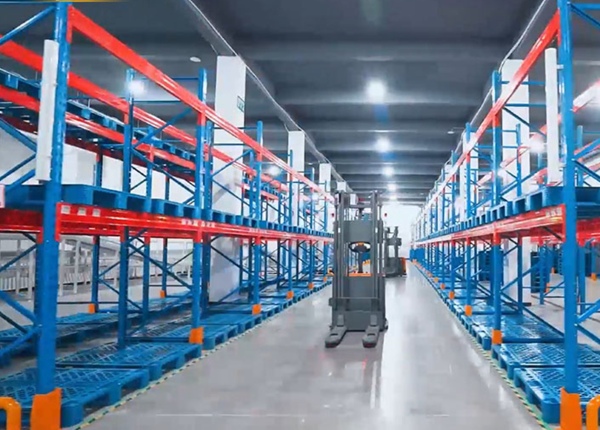
An AGV forklift project involves more than delivering vehicles. The finished operation may depend on warehouse layout confirmation, charging infrastructure, fleet control software, WMS or WCS interfaces, network access, safety procedures, commissioning, and operator training.
If the contract does not define who is responsible for each activity, important work can fall between the customer, equipment supplier, software provider, and local contractors. These gaps may lead to additional costs, delayed testing, or disagreements about whether the system is ready for use.
A clear project scope turns general expectations into deliverables, responsibilities, dependencies, and acceptance conditions that both parties can review before signing.
Begin with the business process the project is intended to automate. Describe the required movements, loads, origin and destination points, operating schedule, and expected interaction with existing warehouse operations.
Then define the deliverables required to support that process. Depending on the project, these may include:
AGV forklift models, quantities, and agreed configurations.
Fleet control software and required user functions.
Warehouse-system interfaces and documented data exchanges.
Vehicle routes, pickup and drop-off points, and task configurations.
Installation, commissioning, testing, and training activities.
Technical documentation, maintenance instructions, and support arrangements.
Identify what is outside the scope as well. For example, changes to an existing WMS, rack modifications, electrical upgrades, or third-party equipment may require separate approval or pricing if they are not included in the agreed project.
For each major activity, name the party responsible for performing the work, the party approving the result, and any party that must provide information or support.
A responsibility matrix can cover the following areas:
| Activity | Responsibility to Define |
|---|---|
| Warehouse data | Who supplies and verifies the layout, pallet data, and movement requirements. |
| Vehicle configuration | Who confirms suitability for the agreed loads and site conditions. |
| Software integration | Who provides interfaces, credentials, test data, and technical approval. |
| Site preparation | Who completes electrical, network, access, and facility work. |
| Commissioning | Who provides personnel, test pallets, operating access, and sign-off. |
| After-sales support | Who handles faults, spare parts, software support, and escalation. |
The matrix is a planning tool, not a substitute for the contract. Make sure the final agreement reflects the actual division of work and the applicable commercial terms.
Some supplier activities cannot begin until the customer provides information, access, equipment, or approvals. These dependencies should be listed explicitly, with an owner and required date.
Examples include approved warehouse drawings, representative pallets, WMS interface documentation, IT access approvals, charging infrastructure, and access to the operating area for testing.
Specify how delays in these dependencies affect the schedule and who must be notified. This gives both parties an opportunity to resolve issues early rather than discovering missing prerequisites immediately before commissioning.
Every important deliverable should have a way to verify completion. A statement such as “software integration completed” is difficult to evaluate unless the parties agree on the required functions and evidence.
For example, integration acceptance may require a transport request to be created, received by the fleet control system, assigned to a suitable vehicle, completed physically, and reported back with the expected status. The precise sequence should reflect the project's agreed architecture.
For equipment and operational performance, define the applicable load conditions, routes, test scenarios, measurement methods, and pass criteria. Record outstanding issues and establish how they will be resolved and approved.
Warehouse projects can change after the initial quotation. A new pallet type, revised rack layout, additional interface, or different operating requirement may affect vehicle configuration, software work, cost, and delivery timing.
Use a formal change process. Each proposed change should describe what is changing, why it is needed, the affected deliverables, the cost and schedule impact, and the approvals required before implementation.
Distinguish between correcting a failure to meet an agreed requirement and adding a new requirement. The contract should define how both are assessed so that necessary corrections and genuine scope additions are handled consistently.
Assign a project contact for each major workstream, including equipment, software, site preparation, and operations. Define how technical questions are recorded, who approves decisions, and how unresolved issues are escalated.
Maintain a shared issue list with a description, impact, responsible owner, target date, and current status. Important decisions should be documented so that commercial, engineering, and warehouse teams work from the same approved requirements.
For overseas projects, clarify the time zone, communication channels, language requirements, and expected response arrangements for routine and urgent issues. These details help coordinate work across different teams without assuming that every issue requires immediate on-site support.
Where the commercial agreement uses milestone payments, define the evidence required for each milestone and who confirms that the condition has been met. Possible milestones may relate to approved design, manufacturing completion, factory testing, delivery, on-site acceptance, or other contractually agreed events.
Make sure the wording distinguishes shipment from installation, installation from commissioning, and commissioning from formal acceptance. These are different events and may carry different responsibilities.
Payment terms, acceptance rights, warranty conditions, and remedies should be reviewed in the full contract. A project scope document should make the technical expectations clear, but it should not leave important legal or commercial conditions undefined.
DELIVERABLES — Equipment, software, services, and documentation are listed.
OWNERSHIP — Each activity has a responsible party and approver.
DEPENDENCIES — Customer inputs and site prerequisites have target dates.
ACCEPTANCE — Tests and evidence are defined before commissioning.
CHANGES — Scope, cost, and schedule changes require documented approval.
SUPPORT — Warranty, escalation, and service responsibilities are clear.
A clear AGV forklift project scope identifies what will be delivered, who performs each activity, what the customer must provide, how completion is verified, and how changes are approved. Resolve these points before signing rather than during commissioning.
ZCNest can review your warehouse application, vehicle requirements, software interfaces, and project objectives to help clarify the technical scope for a proposal. Share your current requirements to discuss the next steps.
📖 AGV Forklift Guide — Essential manual for selection and safety.
⚙️ How AGV Systems Work — A deep dive into navigation and logic.
⚖️ AGV vs. AMR Comparison — Choosing the right technology for your facility.
💰 AGV Cost and ROI — Evaluating investment and payback periods.












 Chinese
 English





