


WAREHOUSE OPERATIONS AND TRAINING
Automated forklifts reduce the need for direct manual driving during normal transport, but warehouse employees still play an essential role in safe and reliable operation. A structured training plan helps operators monitor the system, respond correctly to exceptions and maintain consistent procedures across shifts.
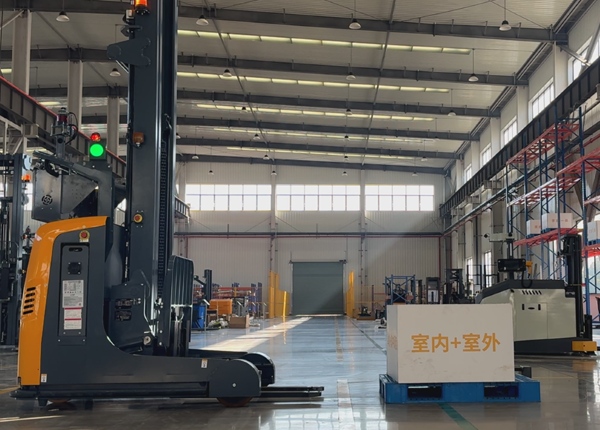
After an AGV forklift system is installed, warehouse employees may need to create or monitor tasks, verify pallet information, manage staging areas, respond to alerts and coordinate with maintenance personnel. These responsibilities differ from conventional forklift driving, but they still require clear procedures and practical training.
A training plan should be based on the actual system and warehouse workflow. A generic presentation about automation is not enough to prepare staff for a blocked transfer point, an incorrect pallet record or a vehicle that stops unexpectedly.
Training should also distinguish between routine operator actions and tasks that require an authorized technician or supervisor. Employees must know when to stop, when to report an issue and when they are permitted to take action.
Not every employee needs the same level of access or technical knowledge. Define training modules according to the decisions each role must make during normal operation.
Warehouse operators: submit or monitor approved tasks, verify pallet and location information, and follow exception procedures.
Shift supervisors: review queues, authorize permitted priority changes, coordinate manual recovery and escalate recurring issues.
Maintenance personnel: follow the approved diagnostic and maintenance procedures within their authorization.
IT or system administrators: manage permitted user access, review system logs and coordinate interface or network troubleshooting.
Warehouse management: review operating metrics, approve process changes and maintain responsibility for warehouse rules.
Use a role-based access policy so that the system functions available to each user match their training and authorization. Do not give every operator administrative access simply because it is convenient during commissioning.
Operators should understand the complete task lifecycle before they are trained to handle unusual situations. They need to know where a task originates, how the vehicle receives it, which system states indicate progress and what confirms successful completion.
Training should cover the warehouse's actual procedures for:
Creating or releasing an approved transport task.
Checking pickup, destination and load information.
Confirming that a transfer station is ready.
Monitoring task progress and understanding system messages.
Verifying completion and resolving inventory discrepancies through the approved process.
Use realistic examples from the warehouse layout and software screens. Employees should practice the steps they will actually perform, rather than memorizing general descriptions of the system.
Automated operation does not remove the need for pedestrian awareness, controlled access and compliance with the site's safety procedures. Employees must understand the vehicle's operating area, warning indicators, restricted zones and the required response when a person or obstruction enters an area where the vehicle is moving.
Explain the approved emergency-stop and reporting procedures for the installed equipment. Make clear who may reset a stop, inspect the surrounding area or authorize a vehicle to return to operation.
Do not instruct untrained personnel to enter restricted areas, bypass protective devices or manually move a stopped vehicle. Any recovery procedure must follow the manufacturer's instructions, the site's risk assessment and applicable safety requirements.
Where manual forklifts and AGVs operate in the same warehouse, include the relevant traffic rules, right-of-way arrangements and communication procedures in the training material.
Operators need a repeatable method for dealing with common exceptions without making the problem worse. The correct response depends on the system configuration, so training should use approved instructions rather than improvised troubleshooting.
Include scenarios such as:
A pallet is not present at the assigned pickup location.
The destination is occupied or unavailable.
The system reports an unknown or mismatched pallet identifier.
A vehicle stops and requests assistance.
A transfer station does not confirm completion.
A task remains open even though the physical movement appears complete.
For each scenario, teach staff how to identify the message, protect the operating area, record the relevant task information and contact the appropriate person. They should also know which actions are prohibited.
Problems can persist across shifts when the incoming team does not know which tasks are pending, which locations are temporarily unavailable or which vehicles require attention.
Create a short handover record that covers the current system state, unresolved tasks, blocked stations, outstanding maintenance issues, temporary operating restrictions and any approved process changes.
Where possible, use system records rather than informal verbal descriptions alone. Include task IDs, vehicle identifiers and location references so that the next shift can locate the relevant information.
Make clear who owns each unresolved issue and when it should be escalated. An item should not be considered resolved simply because responsibility has transferred to another shift.
Attendance at a training session does not necessarily demonstrate that an employee can perform the required work. Use a competency check appropriate to the employee's role.
A practical assessment may ask an operator to locate a task, confirm the relevant pallet and destination information, interpret a system message and follow the approved escalation procedure. Supervisors may be asked to review a queue, authorize a permitted change and document an unresolved exception.
Record the assessment result and provide additional instruction where needed. Reassess staff when the warehouse process changes, new equipment is introduced or recurring errors indicate a knowledge gap.
Training records should identify the employee's role, completed modules, authorization level and any restrictions. Keep the material current when software screens, operating procedures or system configurations change.
Training modules are matched to each job role.
Normal task creation, monitoring and completion are understood.
Safety restrictions and emergency procedures are covered.
Common exceptions are practiced using approved instructions.
Shift handover includes unresolved tasks and temporary restrictions.
Competency is verified through practical assessment.
Training records and authorization levels are maintained.
Key checkpoint: A trained operator should be able to identify the situation, follow the approved procedure, understand the limits of their authority and escalate an issue without creating additional operational or safety risks.
Before project handover, agree on the training audience, language, delivery format, practical exercises and documentation to be provided. Confirm which activities are covered by the supplier and which remain the warehouse operator's responsibility.
Request user instructions, exception-handling procedures, role-specific training materials and a method for reporting unresolved issues. Identify who will train new employees after the supplier's commissioning team has left the site.
📖 AGV Forklift Guide — Essential manual for selection and safety.
⚙️ How AGV Systems Work — A deep dive into navigation and logic.
⚖️ AGV vs. AMR Comparison — Choosing the right technology for your facility.
💰 AGV Cost and ROI — Evaluating investment and payback periods.












 Chinese
 English





